Not a healthcare professional? Visit our Public site
logo

Oestrogel® (estradiol 0.06% w/w) safety information

Empower her to manage her menopause
product-image
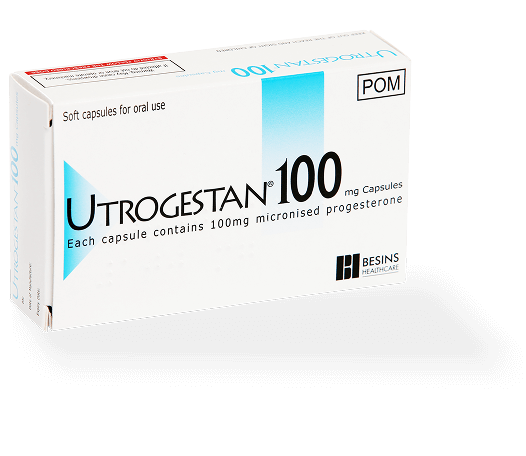
Utrogestan Product Packshot
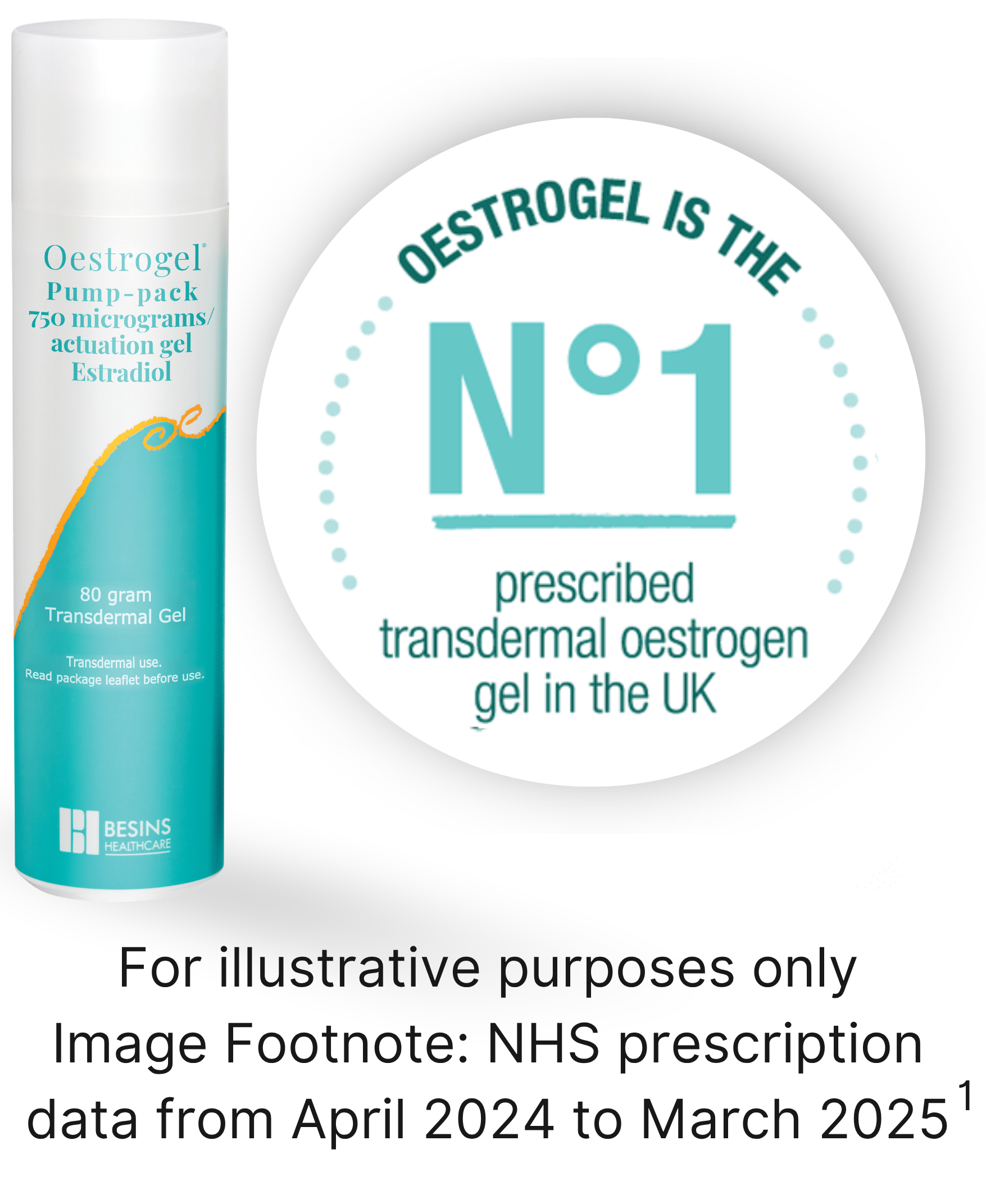
Menopause Product Packshot
image_7_a811017b73 (1).png

Undesirable effects observed with Estradiol1

Frequency of occurrence of Adverse Drug Reactions

Organ System ClassCommon (≥1/100, <1/10)Uncommon (≥1/1,000, <1/100)Rare (≥1/10,000 to ≤1/1,000)Very rare (<1/10,000)
Metabolism and nutrition disordersGlucose intolerance
Psychiatric disordersDepression, mood swingsChange in libido
Nervous system disordersHeadacheVertigo, migraineAggravation of epilepsy
Gastrointestinal disordersNausea, abdominal painFlatulence, vomiting
Eye disordersContact lens intolerance
Vascular disordersVenous thromboembolic diseaseArterial hypertension
Hepatobiliary disordersLiver function test abnormalities, cholestasis and jaundice
Skin and subcutaneous tissue disordersPruritusSkin discolouration, acne
Musculoskeletal and connective tissue disordersBone pain
Reproductive system and breast disordersBreast swelling/pain, breast enlargement, dysmenorrhoea, menorrhagia, metrorrhagia, leucorrhoea discharge, endometrial hyperplasiaIncreased volume of uterine fibroids, leiomyoma, vaginitis/vaginal candidiasis
General disorders and administration site conditionsWeight change (increase or decrease), water retention with peripheral oedemaAstheniaAnaphylactic reaction (in women a history of allergic reaction)
Metabolism and nutrition disorders
Common (≥1/100, <1/10)
Uncommon (≥1/1,000, <1/100)
Rare (≥1/10,000 to ≤1/1,000)Glucose intolerance
Very rare (<1/10,000)

Psychiatric disorders
Common (≥1/100, <1/10)
Uncommon (≥1/1,000, <1/100)Depression, mood swings
Rare (≥1/10,000 to ≤1/1,000)Change in libido
Very rare (<1/10,000)
Nervous system disorders
Common (≥1/100, <1/10)Headache
Uncommon (≥1/1,000, <1/100)Vertigo, migraine
Rare (≥1/10,000 to ≤1/1,000)Aggravation of epilepsy
Very rare (<1/10,000)
Gastrointestinal disorders
Common (≥1/100, <1/10)Nausea, abdominal pain
Uncommon (≥1/1,000, <1/100)Flatulence, vomiting
Rare (≥1/10,000 to ≤1/1,000)
Very rare (<1/10,000)
Eye disorders
Common (≥1/100, <1/10)
Uncommon (≥1/1,000, <1/100)
Rare (≥1/10,000 to ≤1/1,000)
Very rare (<1/10,000)Contact lens intolerance
Vascular disorders
Common (≥1/100, <1/10)
Uncommon (≥1/1,000, <1/100)Venous thromboembolic disease
Rare (≥1/10,000 to ≤1/1,000)Arterial hypertension
Very rare (<1/10,000)
Hepatobiliary disorders
Common (≥1/100, <1/10)
Uncommon (≥1/1,000, <1/100)
Rare (≥1/10,000 to ≤1/1,000)Liver function test abnormalities, cholestasis and jaundice
Very rare (<1/10,000)
Skin and subcutaneous tissue disorders
Common (≥1/100, <1/10)
Uncommon (≥1/1,000, <1/100)Pruritus
Rare (≥1/10,000 to ≤1/1,000)Skin discolouration, acne
Very rare (<1/10,000)
Musculoskeletal and connective tissue disorders
Common (≥1/100, <1/10)
Uncommon (≥1/1,000, <1/100)
Rare (≥1/10,000 to ≤1/1,000)Bone pain
Very rare (<1/10,000)
Reproductive system and breast disorders
Common (≥1/100, <1/10)Breast swelling/pain, breast enlargement, dysmenorrhoea, menorrhagia, metrorrhagia, leucorrhoea discharge, endometrial hyperplasia
Uncommon (≥1/1,000, <1/100)Increased volume of uterine fibroids, leiomyoma, vaginitis/vaginal candidiasis
Rare (≥1/10,000 to ≤1/1,000)
Very rare (<1/10,000)
General disorders and administration site conditions
Common (≥1/100, <1/10)Weight change (increase or decrease), water retention with peripheral oedema
Uncommon (≥1/1,000, <1/100)Asthenia
Rare (≥1/10,000 to ≤1/1,000)Anaphylactic reaction (in women a history of allergic reaction)
Very rare (<1/10,000)
The information given in the table above is based on frequency of occurrence of adverse drug reactions for estradiol.

Please refer to the Summary of Product Characteristics (SmPC) for more information on adverse events, including risk of venous thromboembolism, breast cancer and stroke. Hormone replacement therapy (HRT) should only be continued as long as the benefit outweighs the risk.


Do not apply to damaged skin.


This product is flammable until dry.


Patients should be informed that children should not come in contact with the area of the body where Oestrogel was applied on due to the transfer risk. Post-marketing reports of breast development and sexual changes following unintentional secondary exposure have been reported. In most cases, the condition resolved with removal of estradiol exposure.

Oestrogel contraindications2

  • Known hypersensitivity to the active substances or to any of the excipients listed in the SmPC
  • Known, past or suspected breast cancer
  • Known or suspected oestrogen-dependent malignant tumours (e.g. endometrial cancer)
  • Undiagnosed genital bleeding
  • Untreated endometrial hyperplasia
  • Previous or current venous thromboembolism (e.g. deep venous thrombosis, pulmonary embolism)
  • Known thrombophilic disorders (e.g. protein C, protein S, or antithrombin deficiency)
  • Active or recent arterial thromboembolic disease (e.g. angina, myocardial infarction)
  • Acute liver disease, or a history of liver disease as long as liver function tests have failed to return to normal
  • Porphyria

Conditions which need supervision2

If any of the following conditions are present, have occurred previously, and/or have been aggravated during pregnancy or previous hormone treatment, the patient should be closely supervised. It should be taken into account that these conditions may recur or be aggravated during treatment with Oestrogel, in particular:

  • Leiomyoma (uterine fibroids) or endometriosis
  • Risk factors for thromboembolic disorders
  • Risk factors for oestrogen dependent tumours, e.g. 1st degree heredity for breast cancer
  • Hypertension
  • Liver disorders (e.g. liver adenoma)
  • Diabetes mellitus with or without vascular involvement
  • Cholelithiasis
  • Migraine or (severe) headache
  • Systemic lupus erythematosus
  • A history of endometrial hyperplasia
  • Epilepsy
  • Asthma
  • Otosclerosis

Reasons for immediate withdrawal of therapy2

Therapy should be discontinued in case a contraindication is discovered and in the following situations:

  • Jaundice or deterioration in liver function
  • Significant increase in blood pressure
  • New onset of migraine-type headache
  • Pregnancy

Special warnings and precautions for use

  • For the treatment of postmenopausal symptoms, HRT should only be initiated for symptoms that adversely affect quality of life2
  • In all cases, a careful appraisal of the risks and benefits should be undertaken at least annually, and HRT should only be continued as long as the benefit outweighs the risk2
  • The risk of venous thromboembolism increases with HRT2,3
  • Combined oestrogen-progestogen and oestrogen-only treatment are associated with an increased risk of ischaemic stroke 2
  • The overall evidence shows an increased risk of breast cancer in women taking HRT, that is dependent on the duration of taking HRT. Combined HRT use is associated with an increased risk of developing breast cancer, whereas oestrogen-only HRT is associated with slight increased risk of breast cancer2,3
  • Evidence regarding the risks associated with HRT in the treatment of premature menopause is limited. Due to the low level of absolute risk in younger women, however, the balance of benefits and risks for these women may be more favourable than in older women2

Abbreviations

HRT, hormone replacement therapy; SmPC, Summary of Product Characteristics.

References

  1. Data on file REF-OES-00473 July 2025
  2. Oestrogel (estradiol) Pump-Pack 750 micrograms/actuation gel Summary of Product Characteristics
    https://www.medicines.org.uk/emc/product/353/smpc.Accessed June 2026
  3. NICE (2024). Menopause: Diagnosis and management [NICE Guideline No. 23].
    https://www.nice.org.uk/guidance/ng23Accessed June 2026
June 2026 | MAT-PROMO-OES-0310

Adverse event reporting

Adverse events should be reported. Reporting forms and information can be found at https://yellowcard.mhra.gov.uk/or search for MHRA Yellow Card in the Google Play or Apple App Store. Adverse events should also be reported to Besins Healthcare (UK) Ltd Drug Safety on 0203 862 0920 or Email: drugsafety@besins-healthcare.com

Back to top