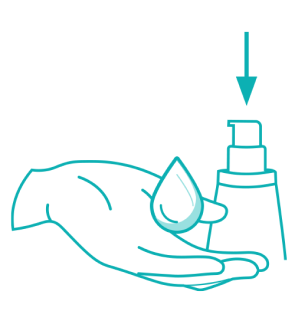
1 pump1.25 g
2 pumps2.5 g
3 pumps3.75 g
4 pumps5 g

Hormone replacement therapy (HRT) for oestrogen deficiency symptoms in postmenopausal women.
Prevention of osteoporosis in postmenopausal women at high risk of future fractures who are intolerant of, or contraindicated for, other medicinal products approved for the prevention of osteoporosis.
The experience treating women older than 65 years is limited.
For treating postmenopausal symptoms, the lowest effective dose should be used for the shortest duration, with HRT initiated only when symptoms significantly impact quality of life.
The lowest effective dose for the prevention of osteoporosis is not known.





An observational survey evaluated patient outcomes with 0.06% estradiol gel found that 88% (n=890) of users reported being either "satisfied" (n=383) or "extremely satisfied (n=400)”.#5
#This was an observational study conducted between 2009 and 2010, in which menopausal patients prescribed estradiol gel 0.06% (N=2,485) enrolled in a web-based patient portal which monitored patient outcomes to track outcomes, with assessments conducted at baseline (pre-treatment) and during therapy. Measures included hot flash frequency and severity, vaginal dryness severity, onset of efficacy, ease of use, satisfaction and product preference. Estradiol gel 0.06% initiation may have occurred after the baseline assessment or up to 12 or more months prior to the baseline outcomes assessment.

Oestrogel significantly reduces the mean daily frequency of moderate to severe hot flushes at Week 12 compared to placebo (p<0.05).6
Study design (Archer 2003)6
A 12-week, multicentre, double-blind, randomised, placebo-controlled study of the effects of Oestrogel in 221 postmenopausal women to assess the effects of a percutaneous 17β-estradiol gel on vasomotor symptoms (VMS) compared to placebo.
Inclusion criteria6
Participants were assigned to receive either 1.25g or 2.5g of percutaneous 17β-estradiol gel or placebo, applied once daily over a 12-week period to evaluate efficacy and tolerability.
Primary endpoint6
The mean change from baseline to Week 12 in the daily frequency of moderate-to-severe hot flushes.
Secondary endpoint6
Frequency and severity of all VMS and vaginal maturation index.
Safety and tolerability assessments were based on:6
| Dose (pump actuations) | Amount of Oestrogel | Estradiol content | Usage notes |
|---|---|---|---|
| 1 pump | 1.25 g | 0.75 mg | Each metered dose |
| 2 pumps | 2.5 g | 1.5 mg | Usual starting dose which the majority of women will provide effective relief of symptoms |
| 3 pumps | 3.75 g | 2.25 mg | Consider if 2 pumps do not relieve symptoms after 1 month |
| 4 pumps | 5 g | 3.0 mg | Maximum recommended daily dose |
For initiation and continuation of treatment of postmenopausal symptoms, the lowest effective dose for the shortest duration should be used.3
Please refer to the Summary of Product Characteristics for more information on adverse effects including risk of venous thromboembolism, breast cancer and stroke. HRT should only be continued as long as the benefit outweighs the risk.3
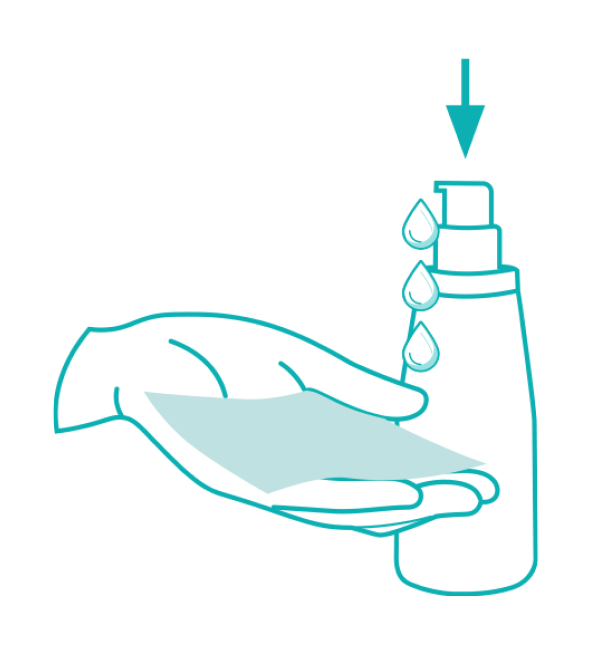
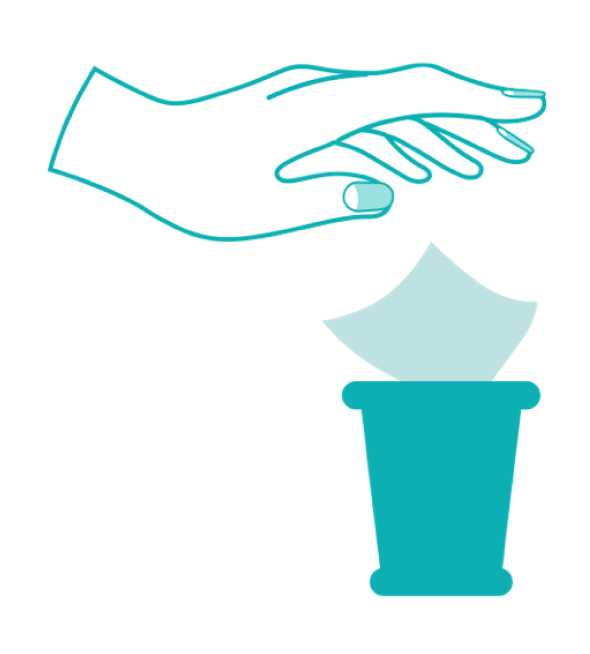
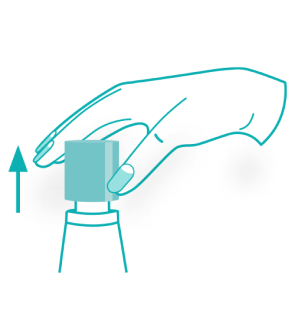
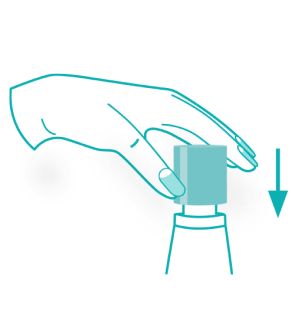
For first use – setting up the pump pack 11
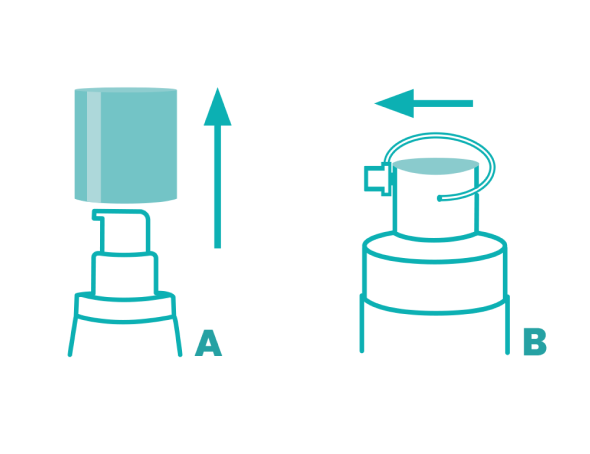
Conical bottle A. Remove the cap.
Cylindrical bottle B. Remove the cap and then release the stopper without breaking it's tether to the bottle – you will need to replace the stopper on the nozzle after each use.
Make sure you know how many doses (pump actuations) you should use. Your doctor will have provided this information to you.

Before applying, make sure that your hands and the skin you are treating are clean, dry and free from any cuts or abrasions.
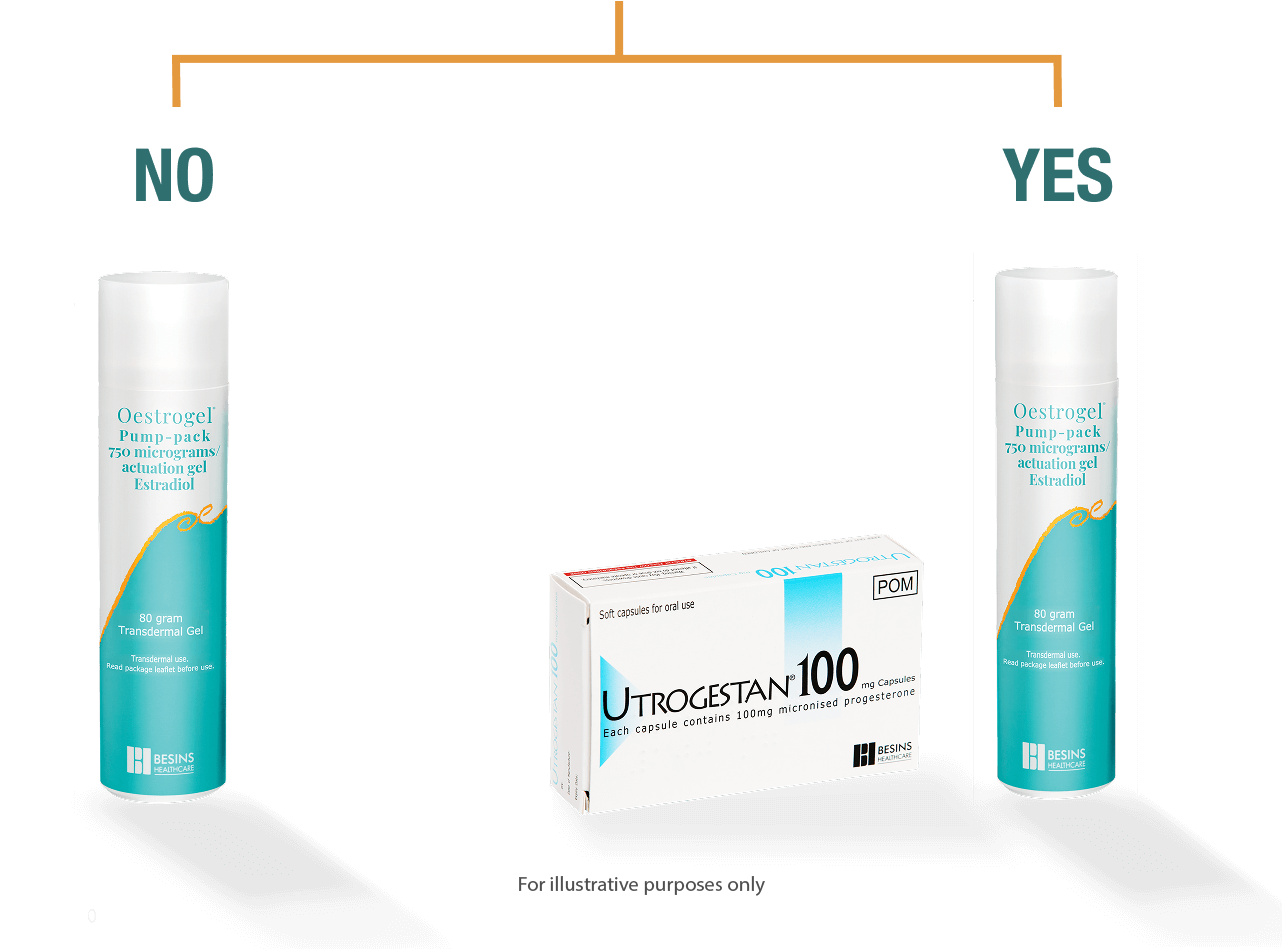
Consider transdermal Oestrogel for your eligible postmenopausal patients for VMS control and Utrogestan® (micronised progesterone) 100mg to greatly reduce the oestrogen-induced risk of endometrial hyperplasia in non-hysterectomised women.3,6,10,12
Adverse event reporting
Adverse events should be reported. Reporting forms and information can be found at https://yellowcard.mhra.gov.uk/or search for MHRA Yellow Card in the Google Play or Apple App Store. Adverse events should also be reported to Besins Healthcare (UK) Ltd Drug Safety on 0203 862 0920 or Email: drugsafety@besins-healthcare.com