


Utrogestan® 100mg (micronised progesterone)
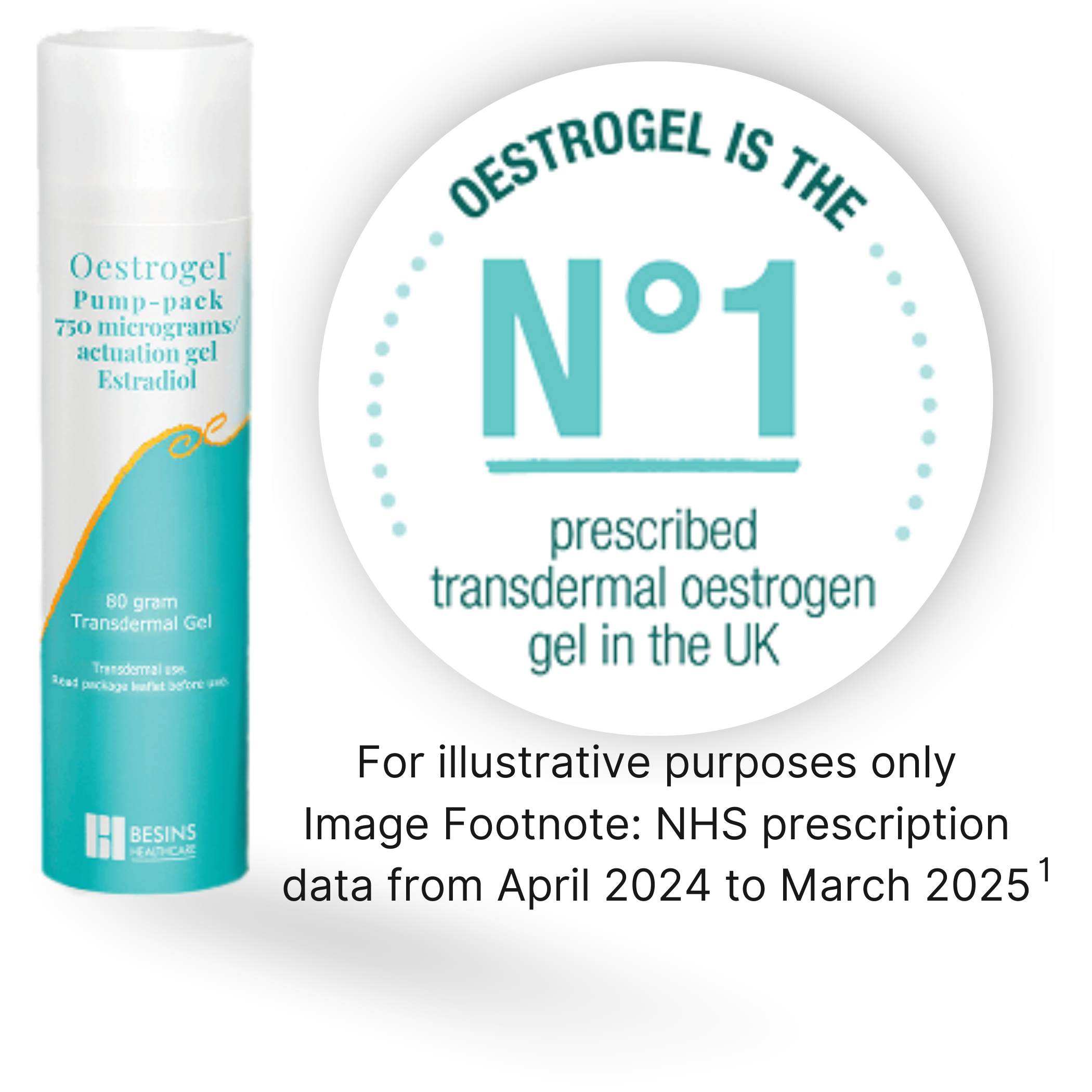
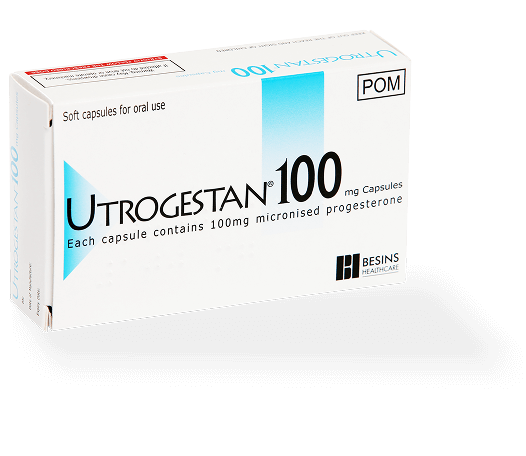
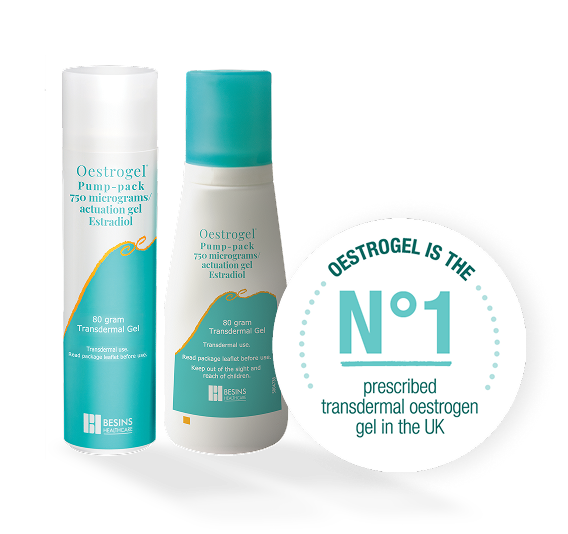


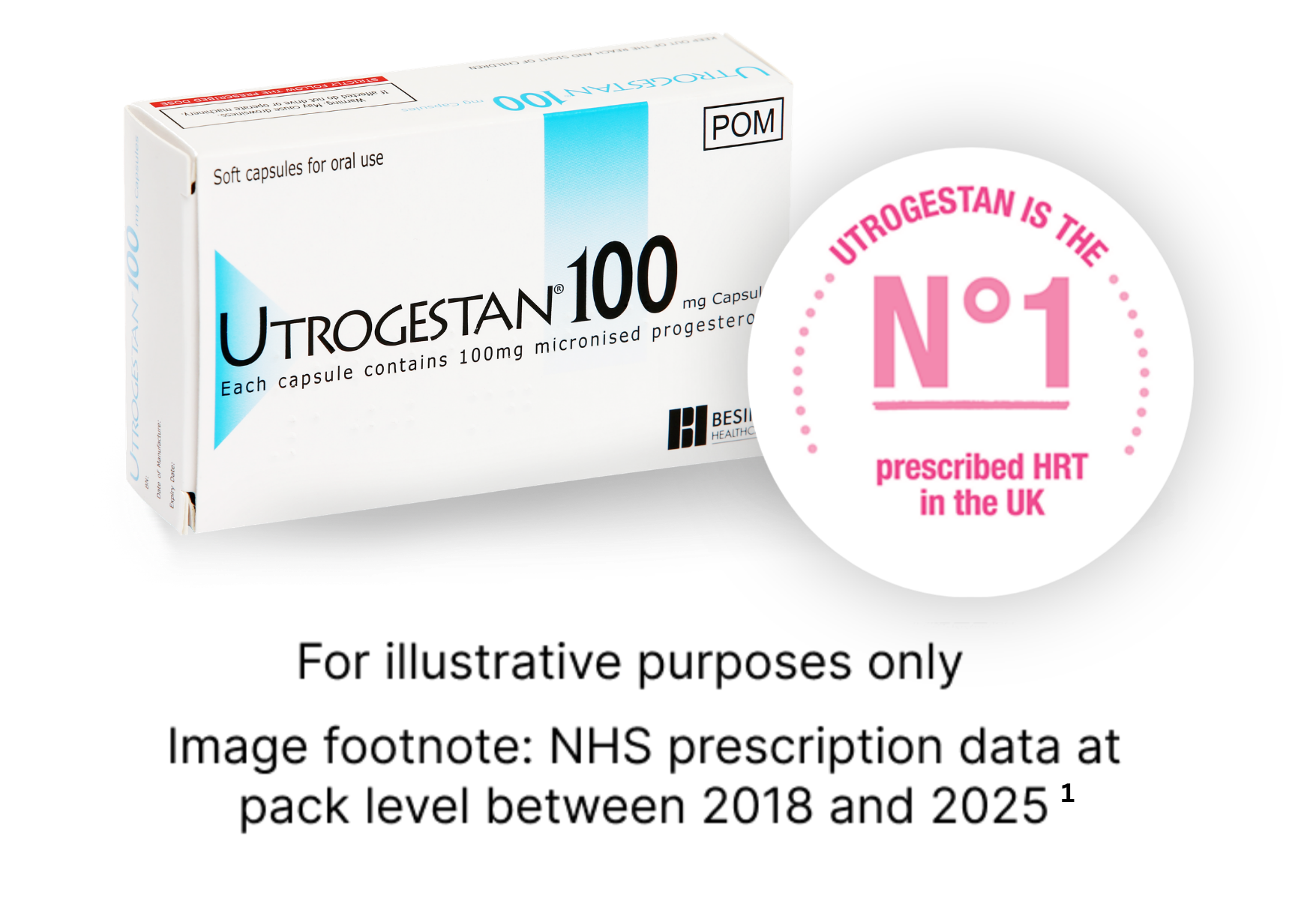
Utrogestan® 100mg (micronised progesterone) is a body-identical progesterone that can protect the endometrium in women with an intact uterus.2-3
Indication2
Utrogestan 100mg is indicated for adjunctive use with oestrogen in postmenopausal women with an intact uterus, as hormone replacement therapy (HRT).2
Hormone therapy that fits into her life
A preferred treatment choice1–3


Recognised by women4

Protects the endometrium2,5

Flexible dosing to meet their needs2


Utrogestan offers two different regimens to individualise treatment2
200mg (2 capsules) daily at bedtime for 12 days, starting on Day 15 of the cycle and ending at Day 26. Withdrawal bleeding may occur in the following week.
OR
100mg (1 capsule) daily at bedtime from Day 1 to Day 25 of the cycle – withdrawal bleeding being less with this treatment schedule.
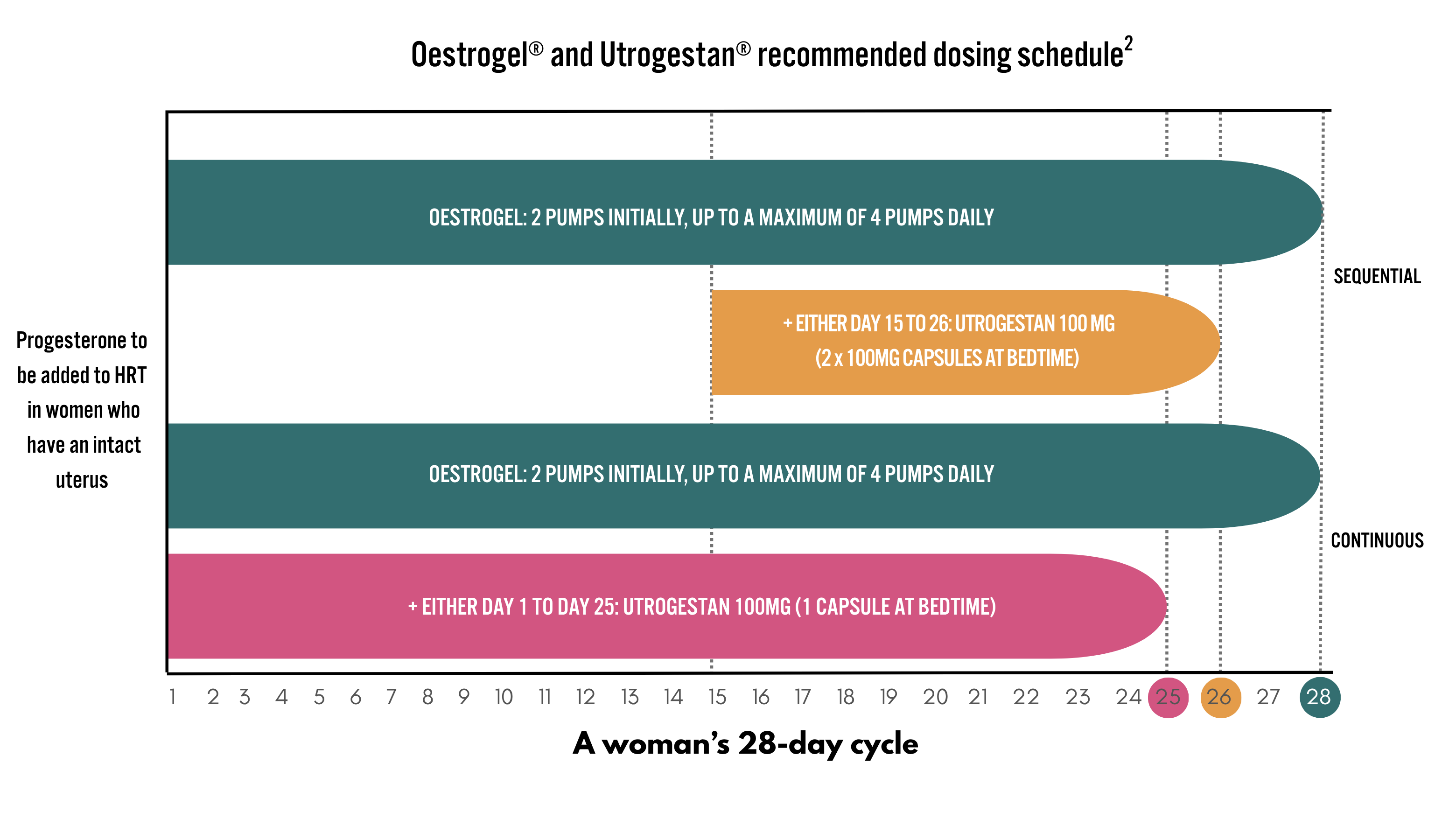
Please note that as per guidelines, in women with a uterus, a progesterone is recommended in addition to oestrogen. This can be given as a combined preparation or individually.
Please consult the Summary of Product Characteristics (SmPC) before prescribing.
For initiation and continuation of treatment of postmenopausal symptoms, the lowest effective dose for the shortest duration should be used. For the treatment of postmenopausal symptoms, HRT should only be initiated for symptoms that adversely affect quality of life.2
In all cases, a careful appraisal of the risks and benefits should be undertaken at least annually and HRT should only be continued as long as the benefit outweighs the risk.2
Utrogestan 100 mg Capsules contain soybean lecithin and may cause hypersensitivity reactions (urticaria and anaphylactic shock) in hypersensitive patients. As there is a possible relationship between allergy to soya and allergy to peanut, patients with peanut allergy must avoid using Utrogestan 100mg Capsules. Utrogestan is contraindicated in known, past or suspected breast cancer; previous or current venous thromboembolism (e.g. deep venous thrombosis, pulmonary embolism) and active or recent arterial thromboembolic disease (e.g. angina, myocardial infarction). Please note this list is not exhaustive, refer to the Summary of Product Characteristics for full information on contraindications, warnings and precautions2.
Please refer to the Utrogestan 100mg and Oestrogel SmPCs and Package Leaflets for complete dosing and administration guidance. For information on adverse effects, including the risks of venous thromboembolism, breast cancer, and stroke, consult the SmPC.2,6
Satisfaction rates7
8 in 10 survey patients reported overall satisfaction with Utrogestan.*
A cross-sectional survey was conducted to assess quality of life domains, specifically physiological, somatic, and vasomotor effects, in women (N=176) who had changed from a medroxyprogesterone acetate (MPA) regimen to HRT which included micronised progesterone, over a period of 1 to 6 months.

Does your patient have a uterus?
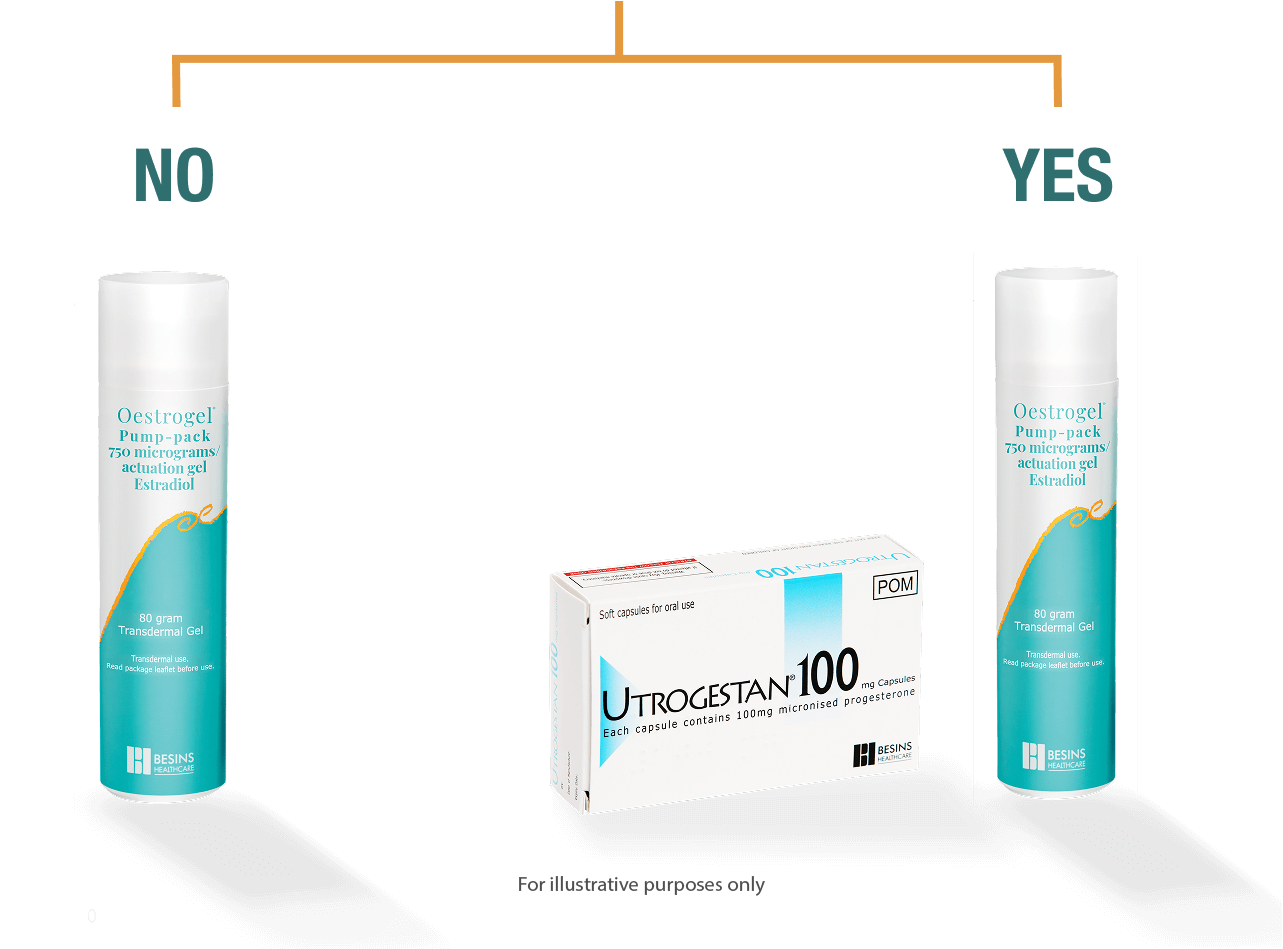
The addition of progesterone greatly reduces the oestrogen-induced risk of endometrial hyperplasia in non-hysterectomised women.
Abbreviations
References
- Data on file. REF-UTO-00078 July 2025
- Utrogestan 100mg (micronised progesterone) Summary of Product Characteristics.
https://www.medicines.org.uk/emc/product/352/smpc.Accessed June 2026 - Panay N. Post Reprod Health 2014;20(2):69–72.
- Data on file. REF-UTO-00076 July 2025
- The Writing Group for the Pepi Trial. JAMA 1996;275(5):370–5.
- Oestrogel (estradiol) Pump-Pack 750 micrograms/actuation gel Summary of Product Characteristics.
https://www.medicines.org.uk/emc/product/353/smpc.Accessed June 2026 - Fitzpatrick LA, et al. J Womens Health Gend Based Med 2000;9(4):381–7.
Adverse event reporting
Adverse events should be reported. Reporting forms and information can be found at https://yellowcard.mhra.gov.uk/or search for MHRA Yellow Card in the Google Play or Apple App Store. Adverse events should also be reported to Besins Healthcare (UK) Ltd Drug Safety on 0203 862 0920 or Email: drugsafety@besins-healthcare.com